


Immune Protein
Developing new foods and ingredients based on mother’s milk
We have conducted initiatives for many years to develop foods and ingredients inspired
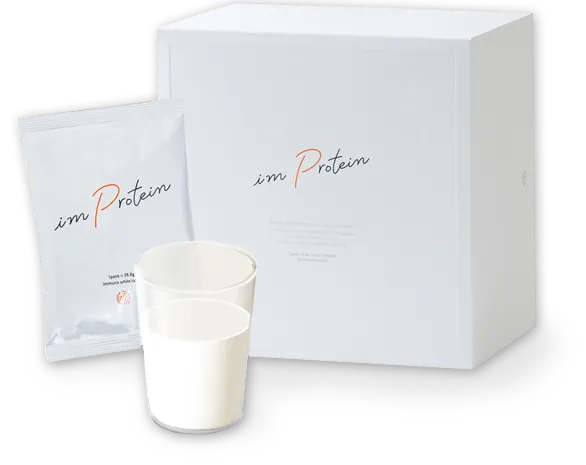
by mother’s milk. Developed in 2018, im Protein represents the culmination of Ortho’s
collective strengths. Learn more about our immunity protein products that
contain maternal antibodies. Discover what makes them so great and
the areas that we focus on the most when manufacturing them.
- Ingredients
- Protein concentrate, vegetable oil / flavor (milk-derived), citric acid, emulsifier (soybean-derived), sweetener (stevia)
-
Nutrition Facts
(per 1 sachet 27 g) -
- Energy: 100 kcal
- Protein: 20.0 g
- Lipids: 1.2 g
- Carbohydrates: 2.8 g
- Salt Equivalent: 0.051 g
- Amino Acid Score: 100 points
A New Ingredient Derived from Innovative Thinking
-

Taking New Ideas from Maternal Immunity
Newborn babies are practically defenseless with an underdeveloped immune system, and yet they do not catch a cold for about six months after birth. This is because they gain their mother’s antibodies through breast milk.
This system of transferring antibodies from mother to child is called the principle of maternal immunity. We were inspired by this principle; namely, if mother’s milk is good for babies, perhaps it could also help adults with low immune function.
-
A New Immune Protein Ingredient: im P26
Our inspiration led us to launch joint research efforts with Kyushu University in 1994 to develop biotechnology for implementing the principle of maternal immunity in food.
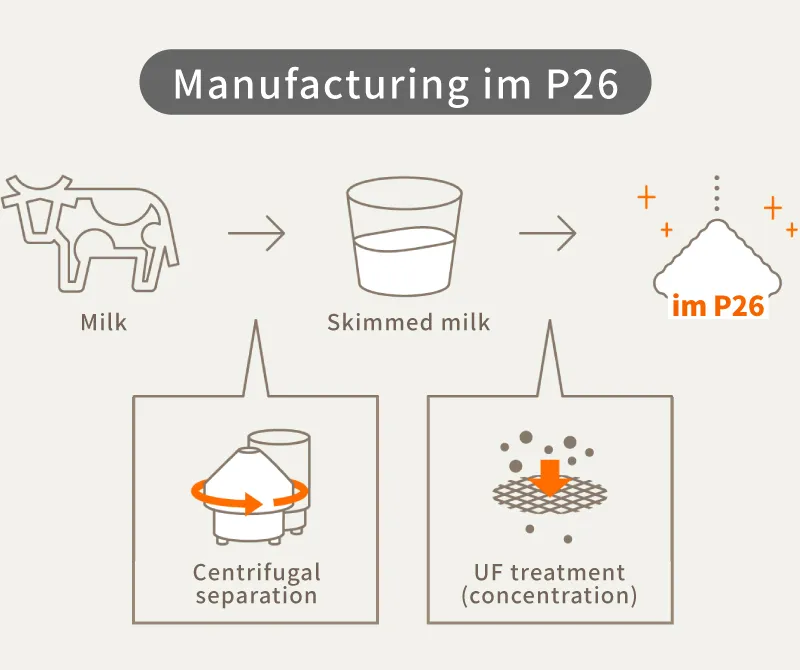
Through this process, we created Hyper Immunized Technology (HIT) as a method to transfer antibodies that fight 26 types of pathogens in common human diseases into cow’s milk.
We used HIT to realize a new ingredient called im P26 that is used in im Protein.
Careful Focus on Ingredients and Manufacturing Method
-
Good-Quality Protein and a Natural Taste
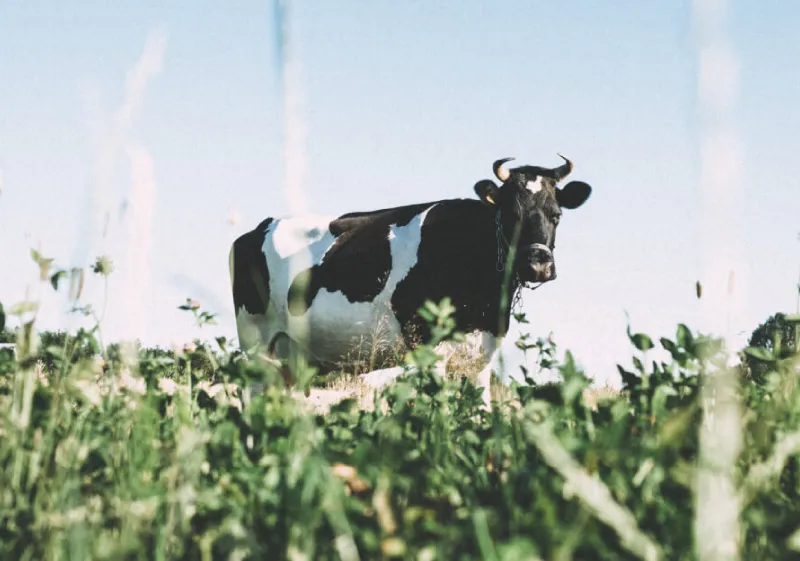
With HIT, we use grass-fed cows from New Zealand, which is a country with a powerhouse dairy industry. These cows are left to graze freely on pasture grass, with no chemical feed or hormones used whatsoever. As such, they are known to offer the highest levels of safety and reassurance.
To fully leverage the qualities of the milk from these cows, we use stevia as a natural sweetener instead of artificial additives or sugar. Also, we opted for a simple and natural taste so that people can drink it on a daily basis.
-
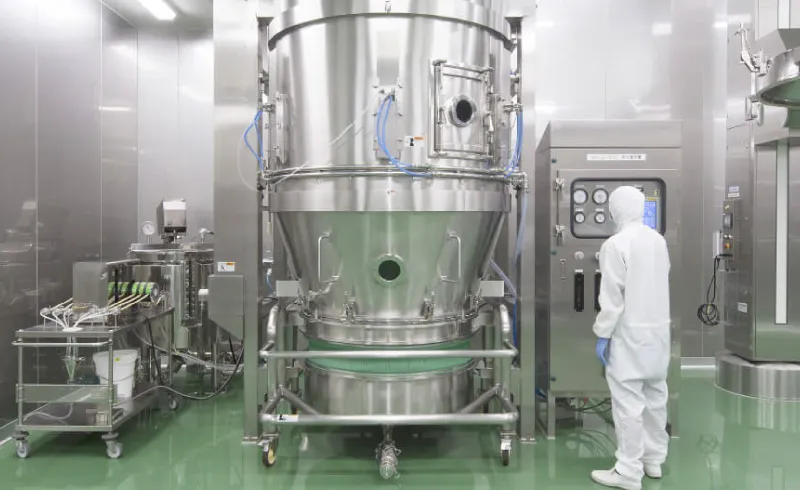
Japanese Plant with International Certification
We manufacture im Protein at a plant in Japan that has been certified under FSSC 22000, an international standard for delivering safe food products to consumers.
To ensure quality, we manage every step of the process, from stocking ingredients all the way through to manufacturing and shipping.
-

Reliable Quality Based on Global Standards
We have acquired anti-doping certification for im Protein in the Informed Sports program.
This guarantees that im Protein offers a level of quality for athletes to use without any worries.
Joint Research with Academia for Over 30 Years
-
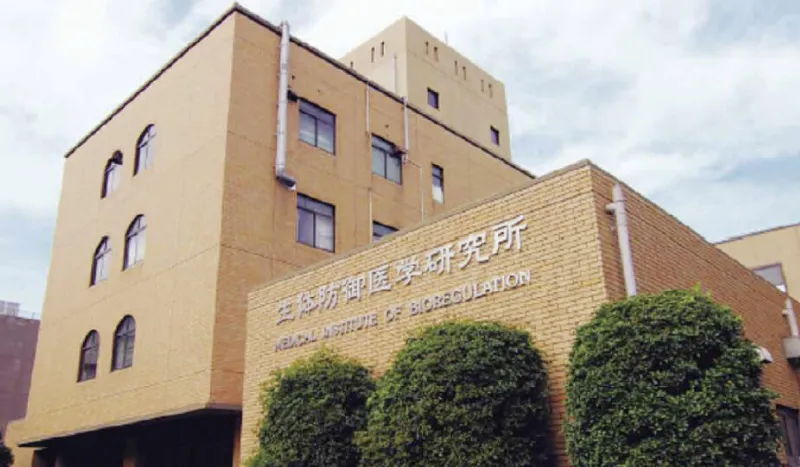
1994–2021 Medical Institute of Bioregulation, Kyushu University
In 1994, we began fundamental research regarding the effects on biological defense from the oral ingestion of HIT milk and protein. In this project, we received advice from Professor Emeritus Kikuo Nomoto, the founder of the Medical Institute of Bioregulation and the leading scientist in HIT milk research.
-

2001–2003 Keio University
In 2001, we established a laboratory within the Research Park of the Keio University School of Medicine, in which we conducted research into chicken eggs containing H. pylori antibodies in collaboration with Dr. Hidekazu Suzuki from the University.
We also invited Dr. Barry J. Marshall (who was awarded the Nobel Prize in Physiology or Medicine in 2005) from Australia as an advisor.
-

2002–2005 Kitasato Institute, Kitasato University
Ortho sent researchers to Kitasato University in 2002 to investigate mother’s milk.
We conducted joint research on how milk produced with HIT can protect against viral infections.
-

2018–Present Faculty of Sport Sciences, Waseda University
We partnered with the Faculty of Sport Sciences, Waseda University, in 2018 to assess im Protein with amateur athletes in a clinical trial.
After a year of testing, we delivered academic presentations about improvement of kidney function in 2019 at symposia of the Japanese Society of Physical Fitness and Sports Medicine (held at Tsukuba University) and the International Society of Exercise and Immunology (held at Shanghai University of Sport).
